A next-gen prequel exploring the origins of the Mafia franchise, developed with a focus on immersive storytelling and updated gameplay mechanics.
Transitioning to this project as Lead UX Designer after working on TopSpin 2K25 required a shift in mindset—pivoting from sports UI to a deeply narrative-driven user journey.
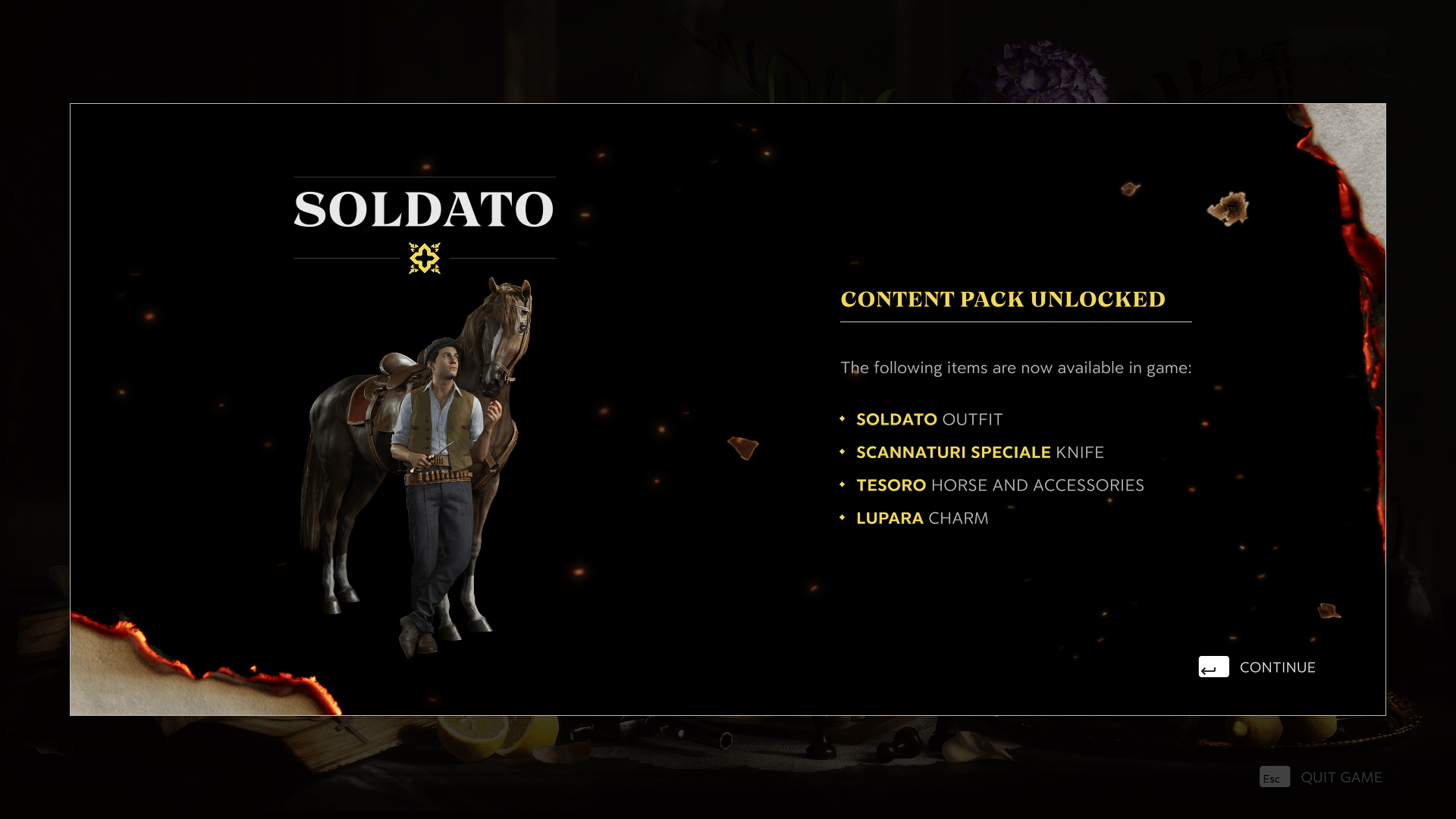
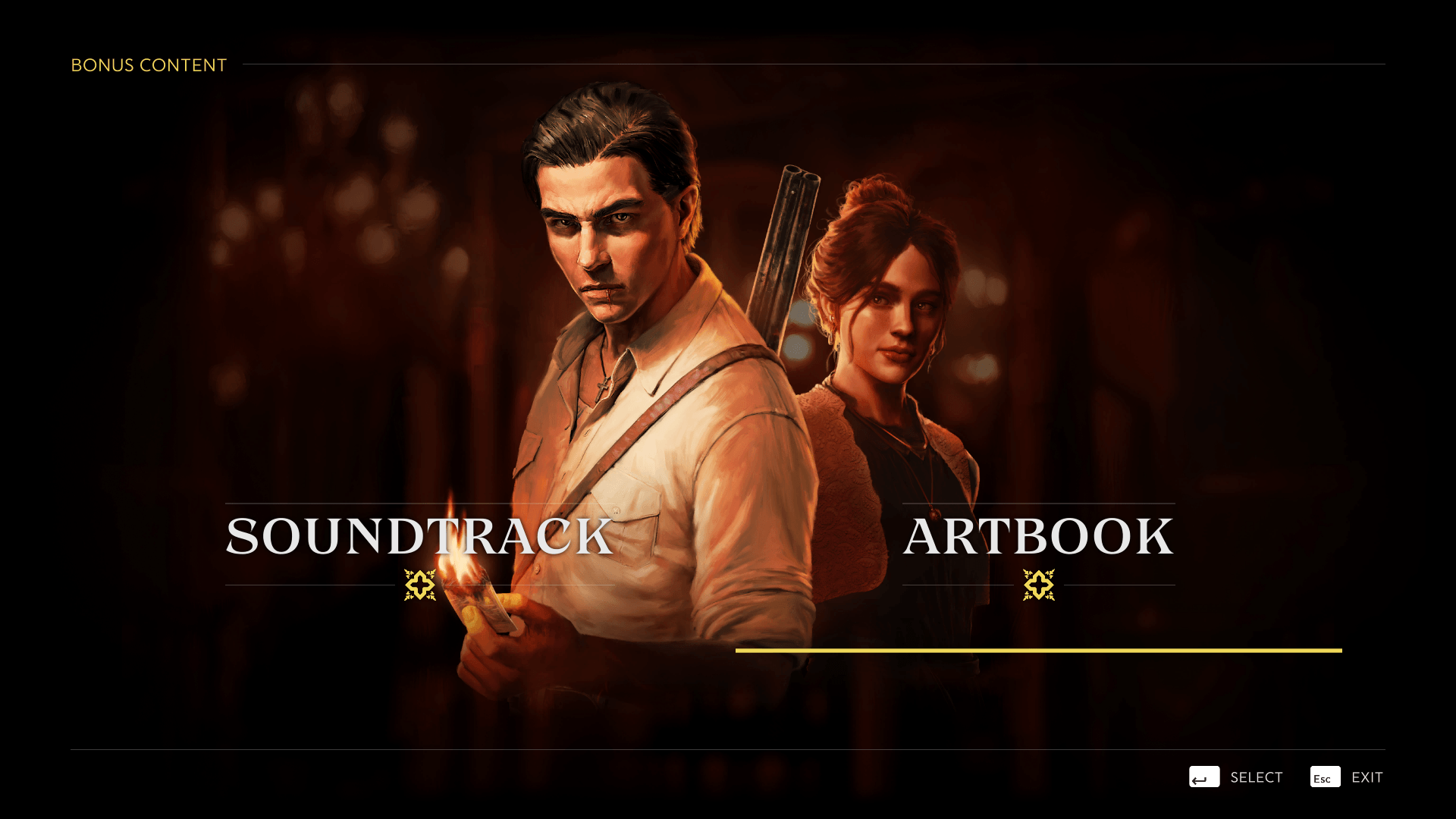
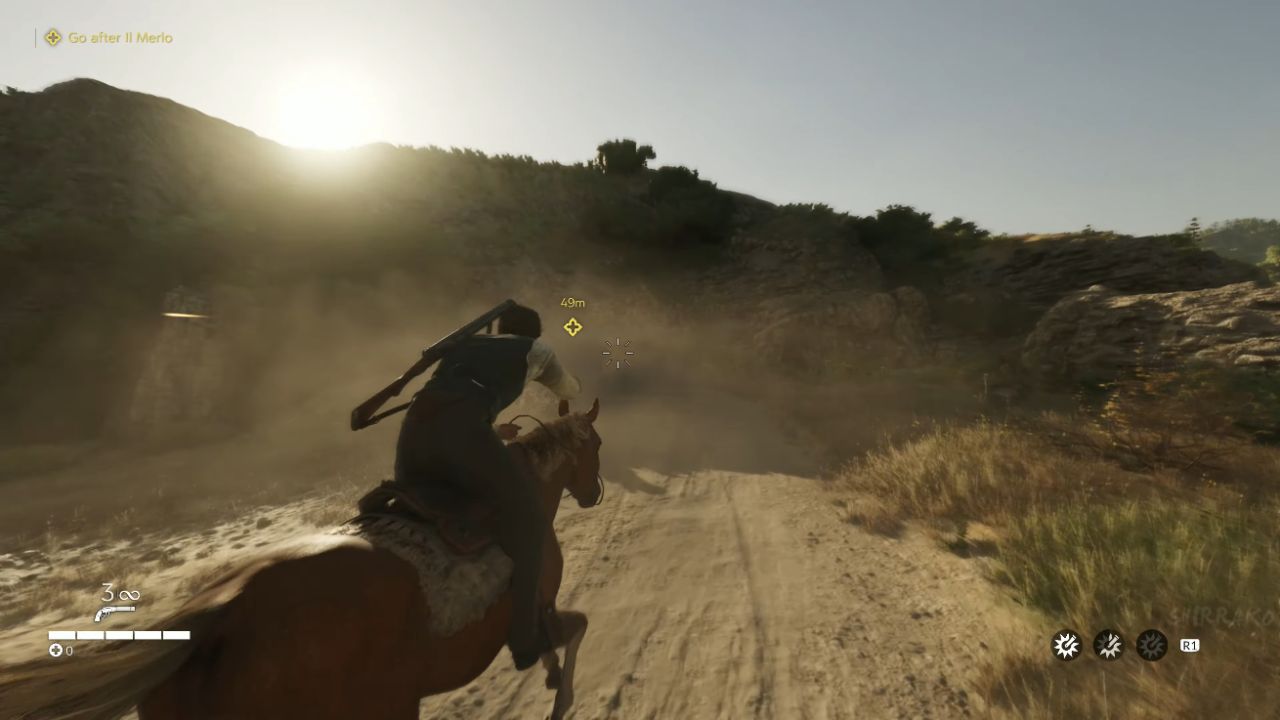
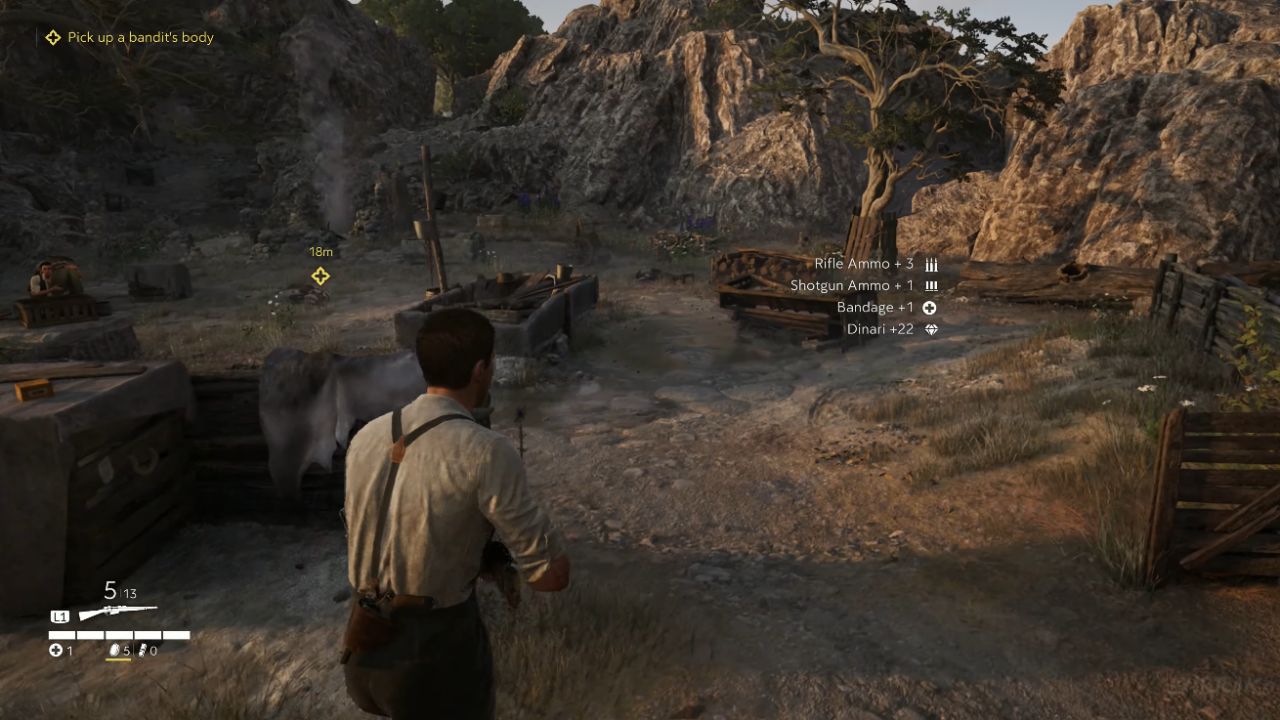
Alongside core UX responsibilities such as the bootflow, pause menus, health bar, and weapon HUD, my team focused on creating a non-intrusive interface that complements a cinematic, premium experience
Demonstrating the close collaboration required between UX and Mission Design, our team was responsible for designing and integrating the game’s tutorial systems.
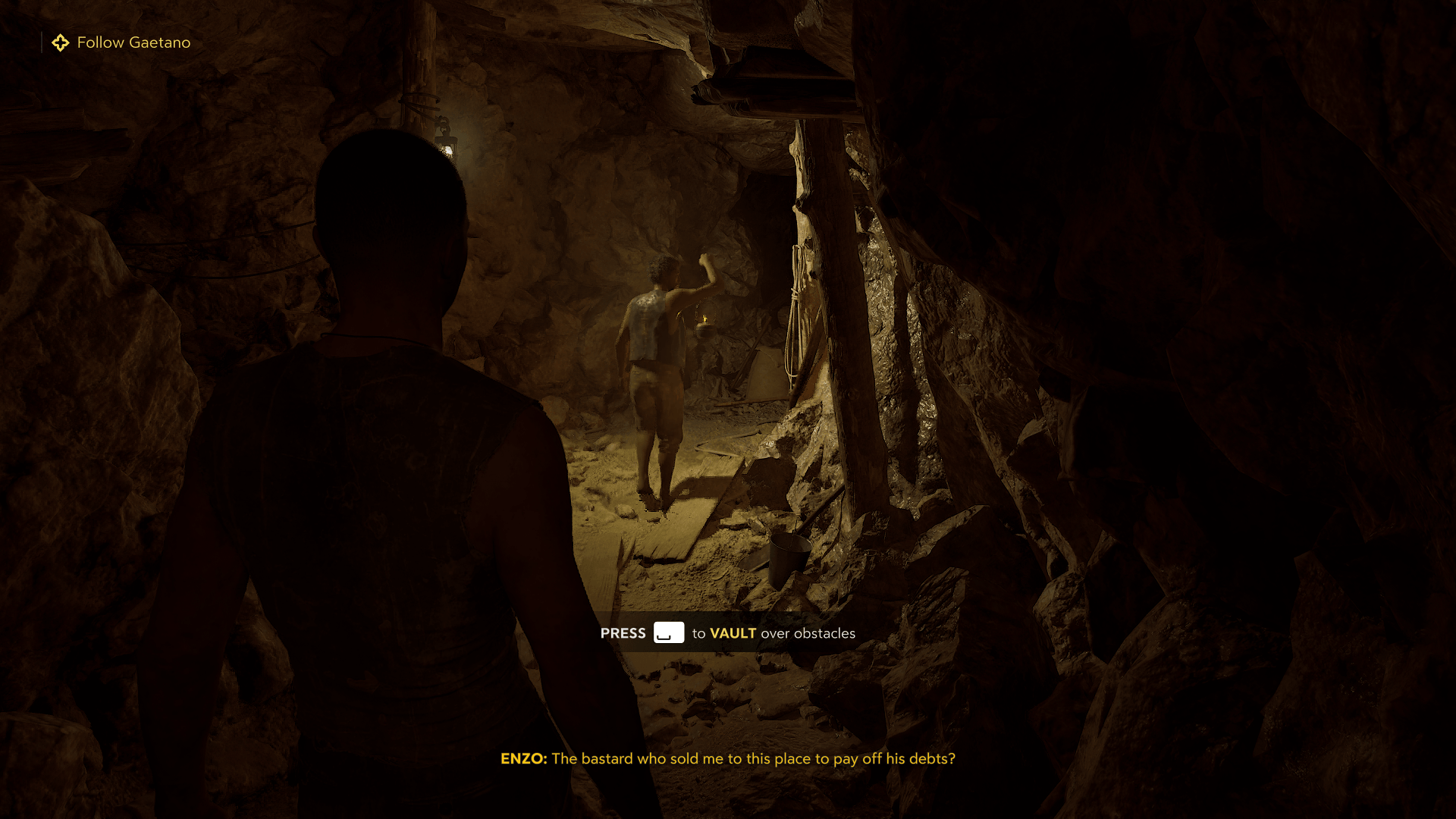
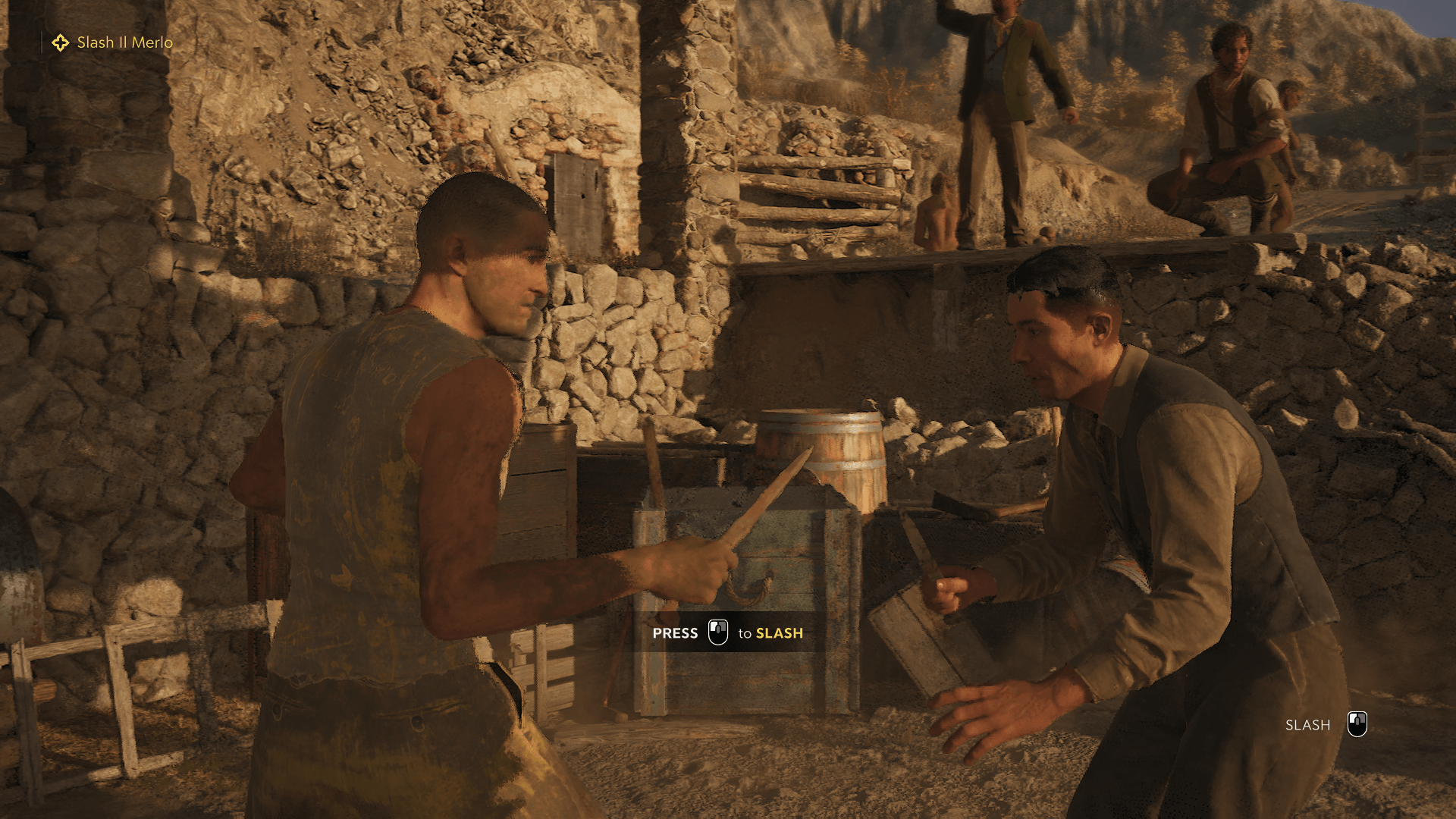
Tutorials were strategically placed to align with the scope and pacing of each mission. To handle straightforward mechanics requiring quick execution, we implemented lightweight, contextual prompts—referred to internally as ‘Simple Tutorials‘—delivering concise one or two-line instructions without breaking player immersion.
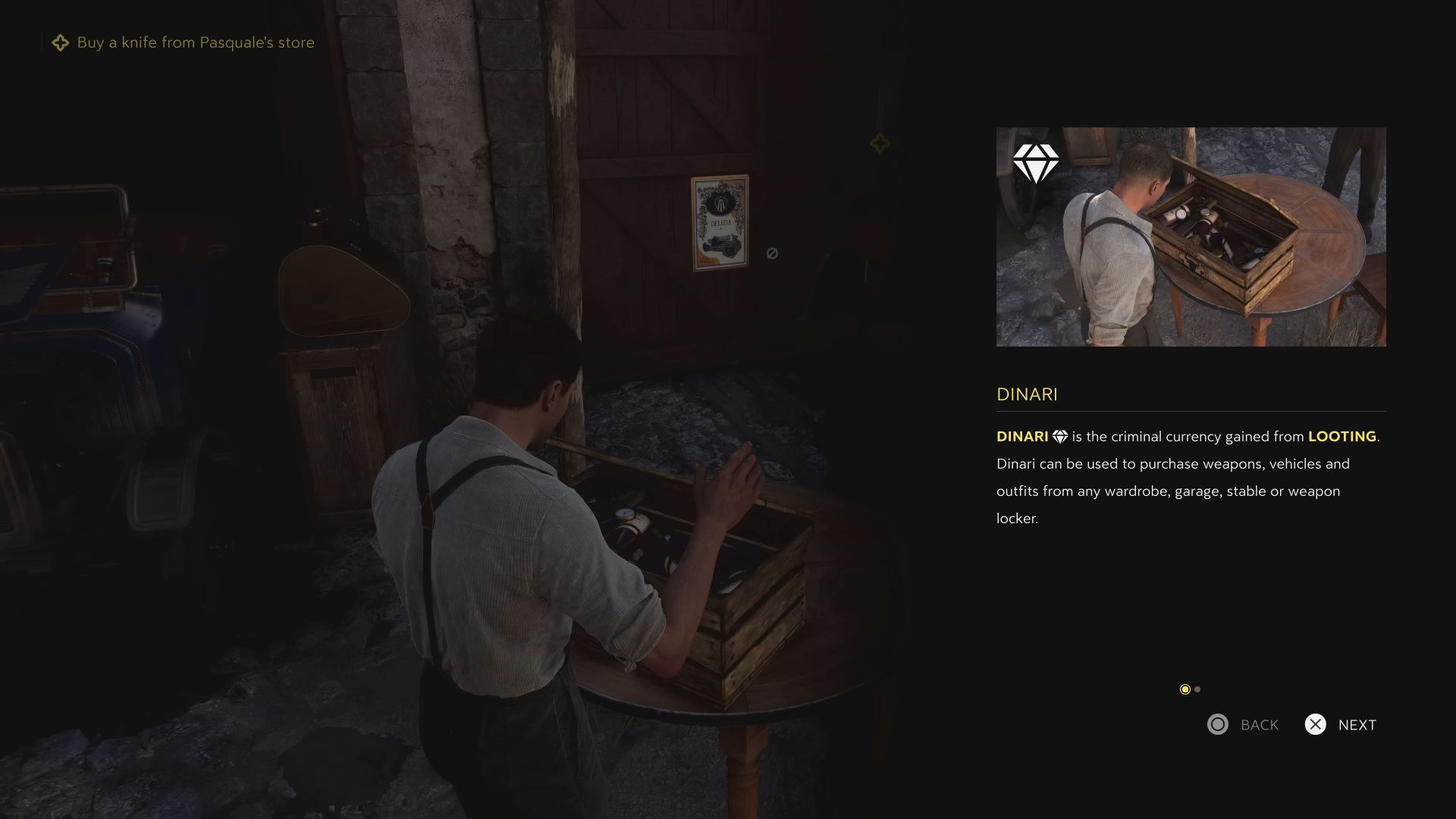
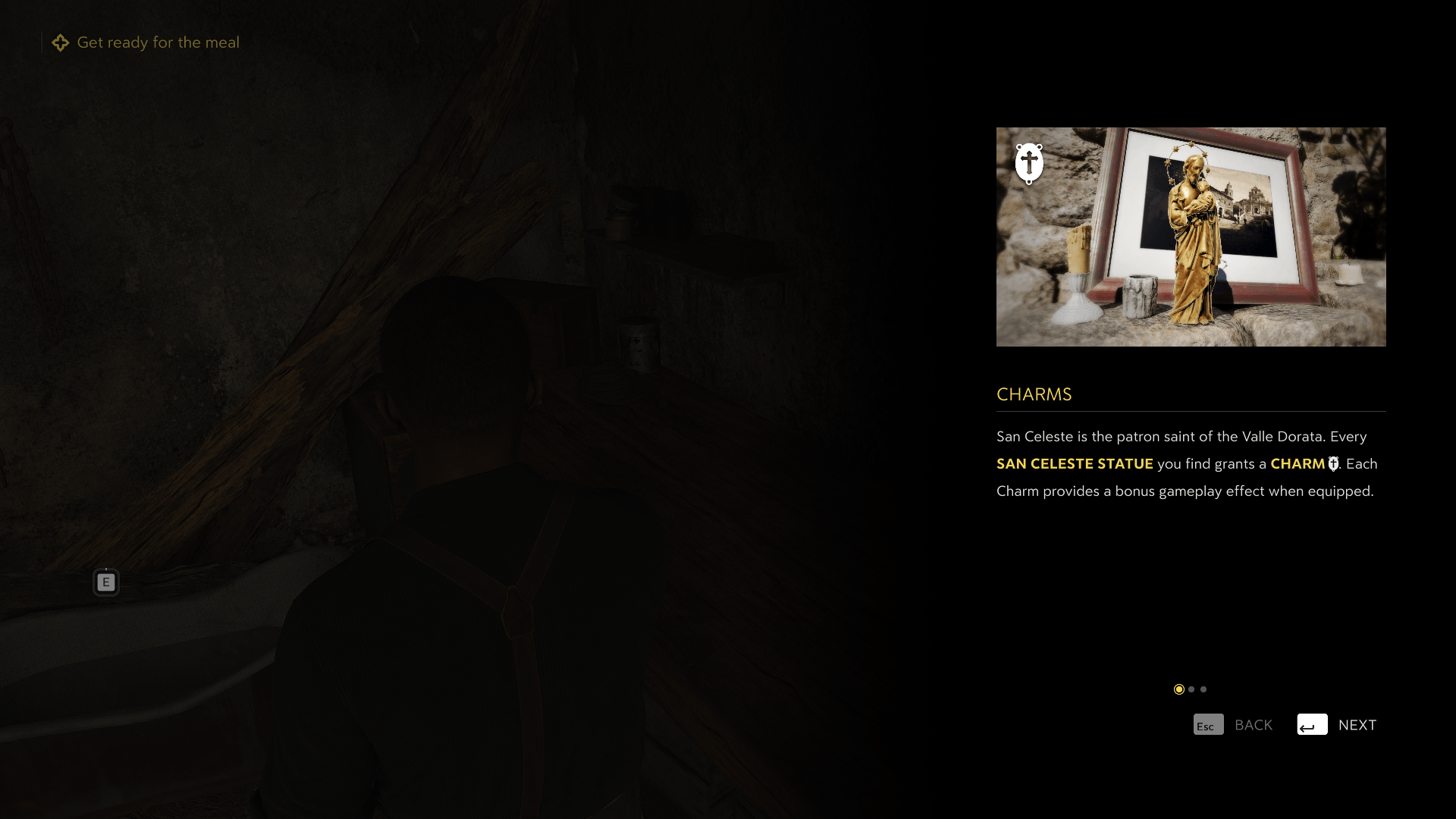
For deeper, more complex features, we designed multi-page ‘Complex Tutorials‘ paired with custom visual assets created to clarify intricate mechanics.
For simplicity we developed one main system that could be customized and for different features.
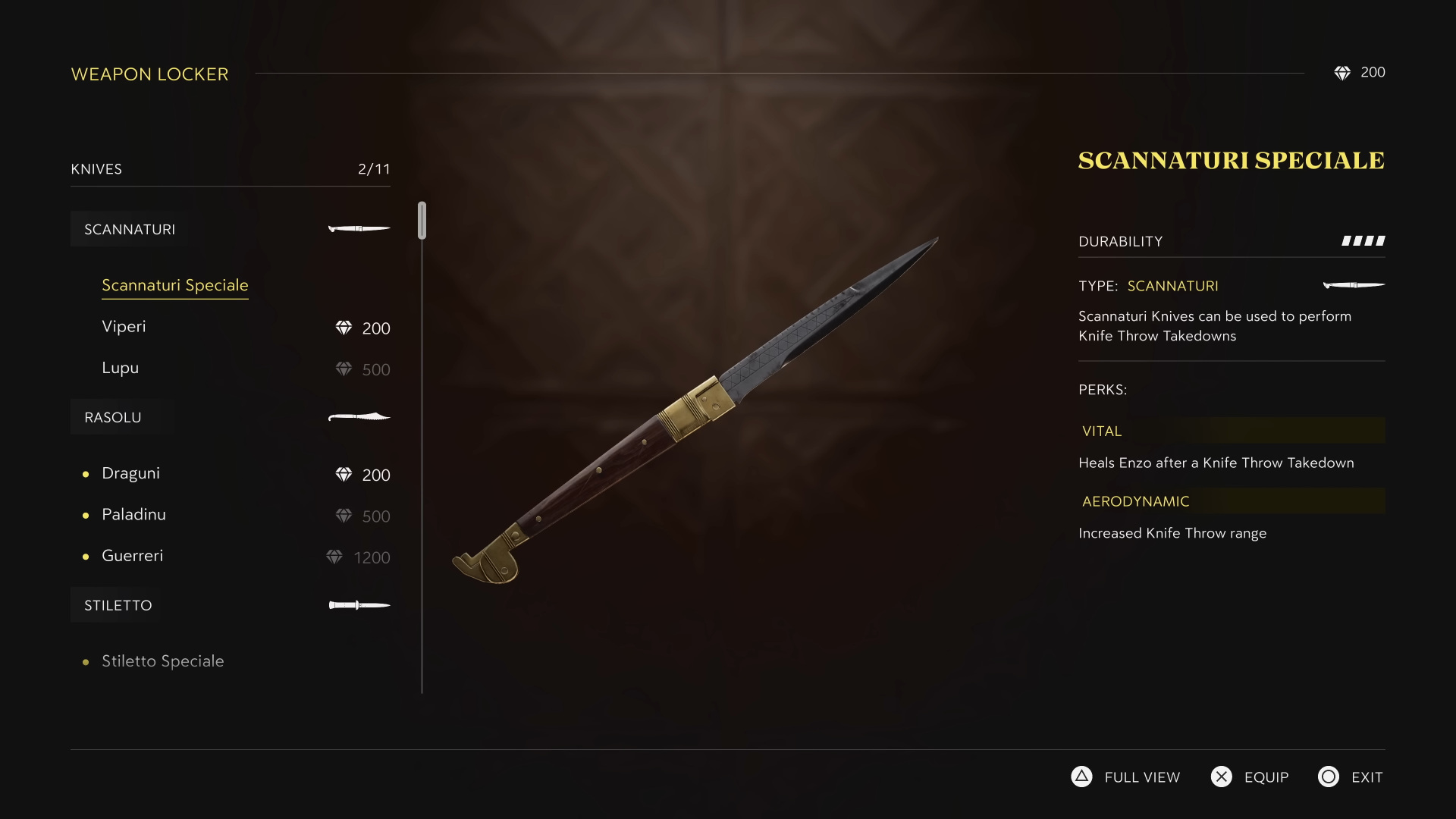
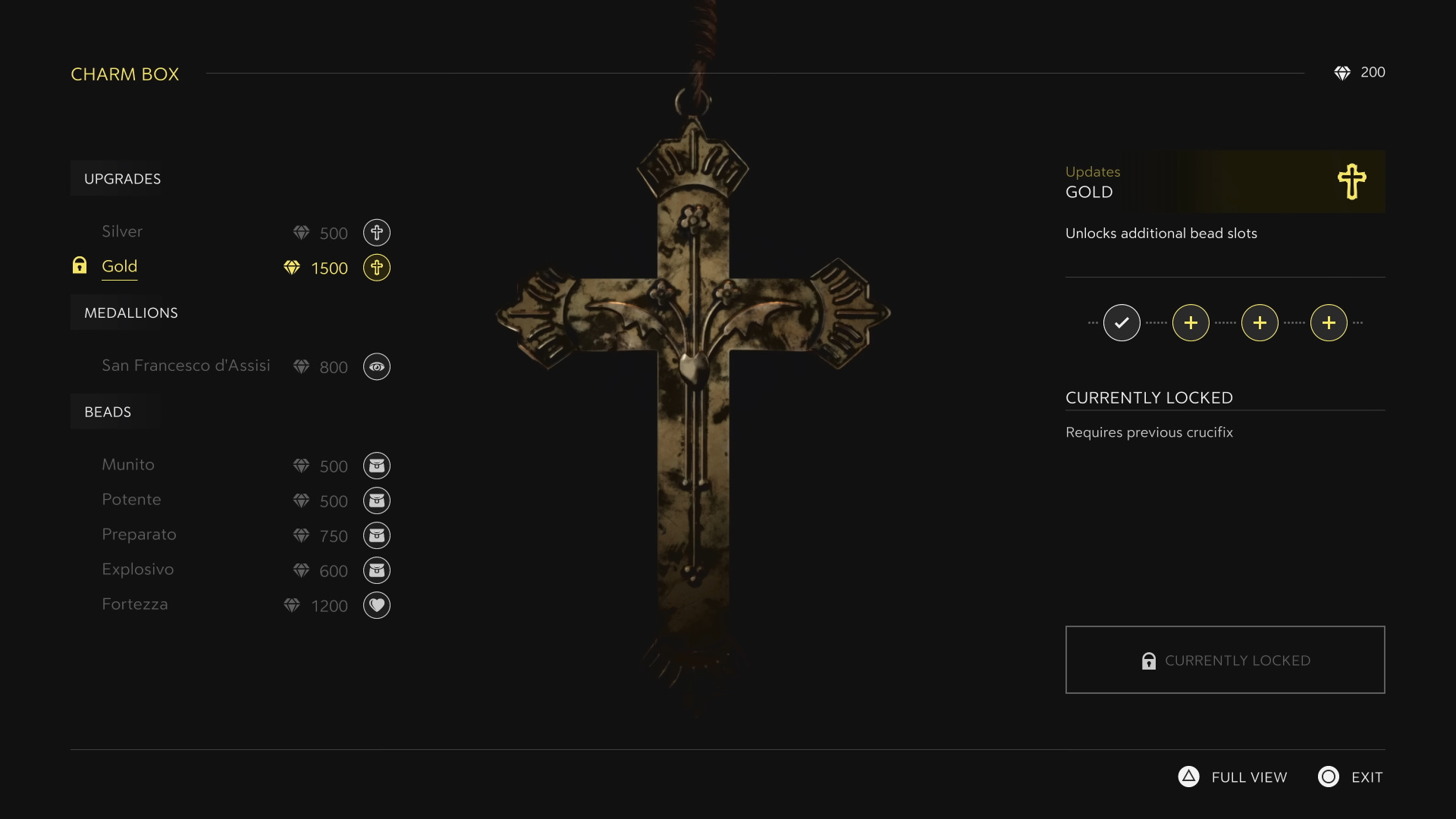
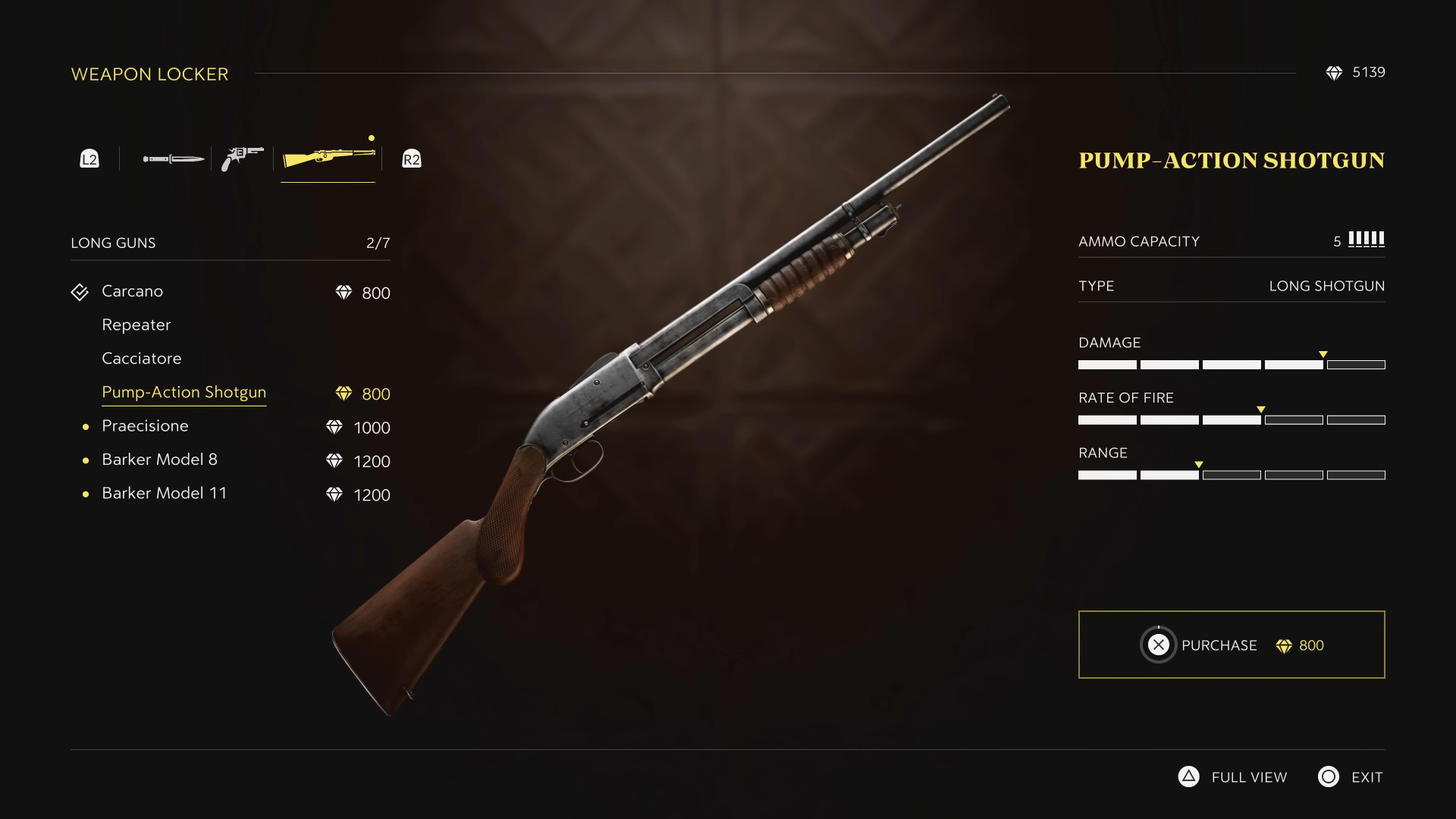
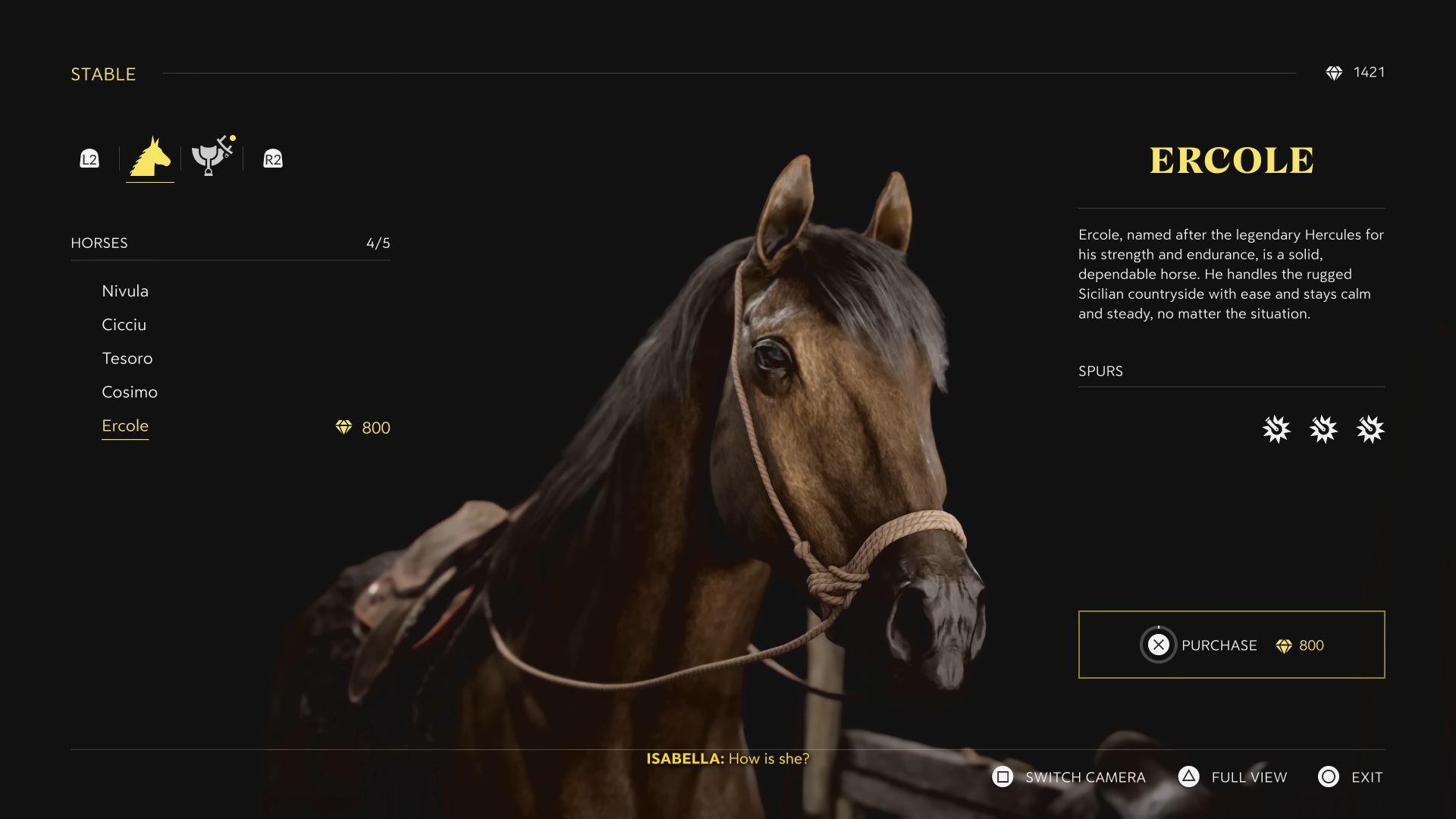
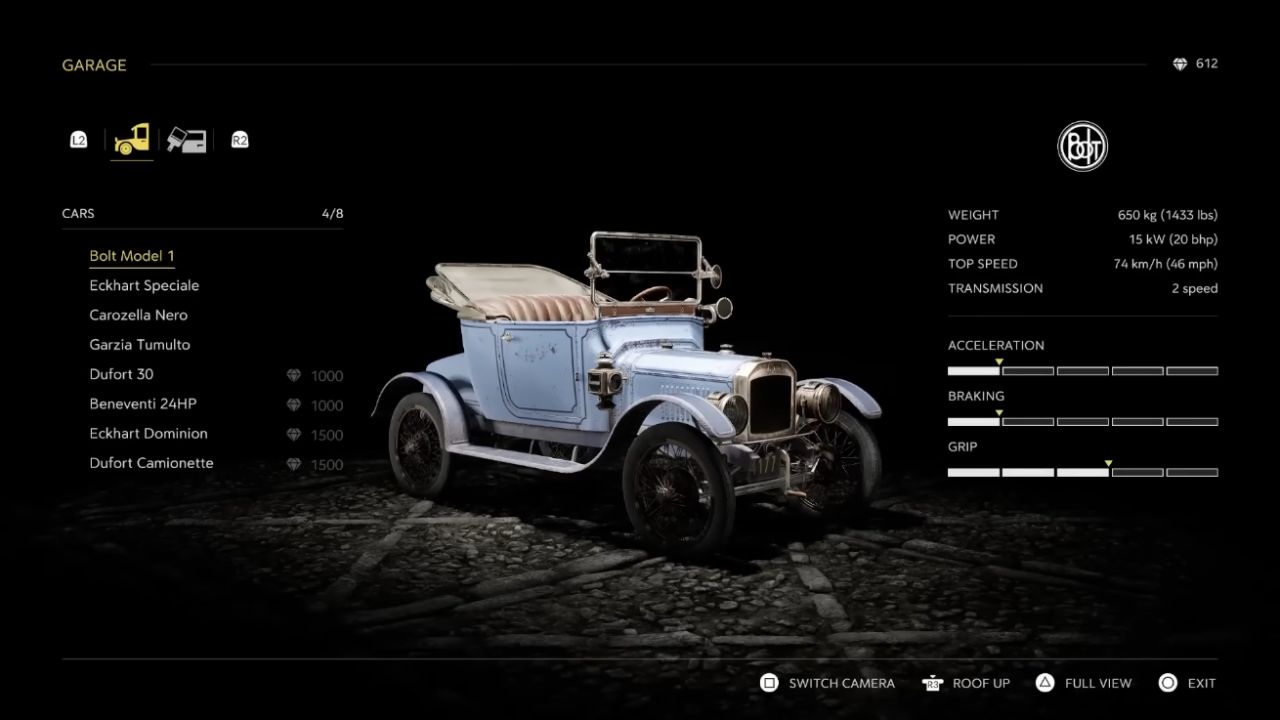
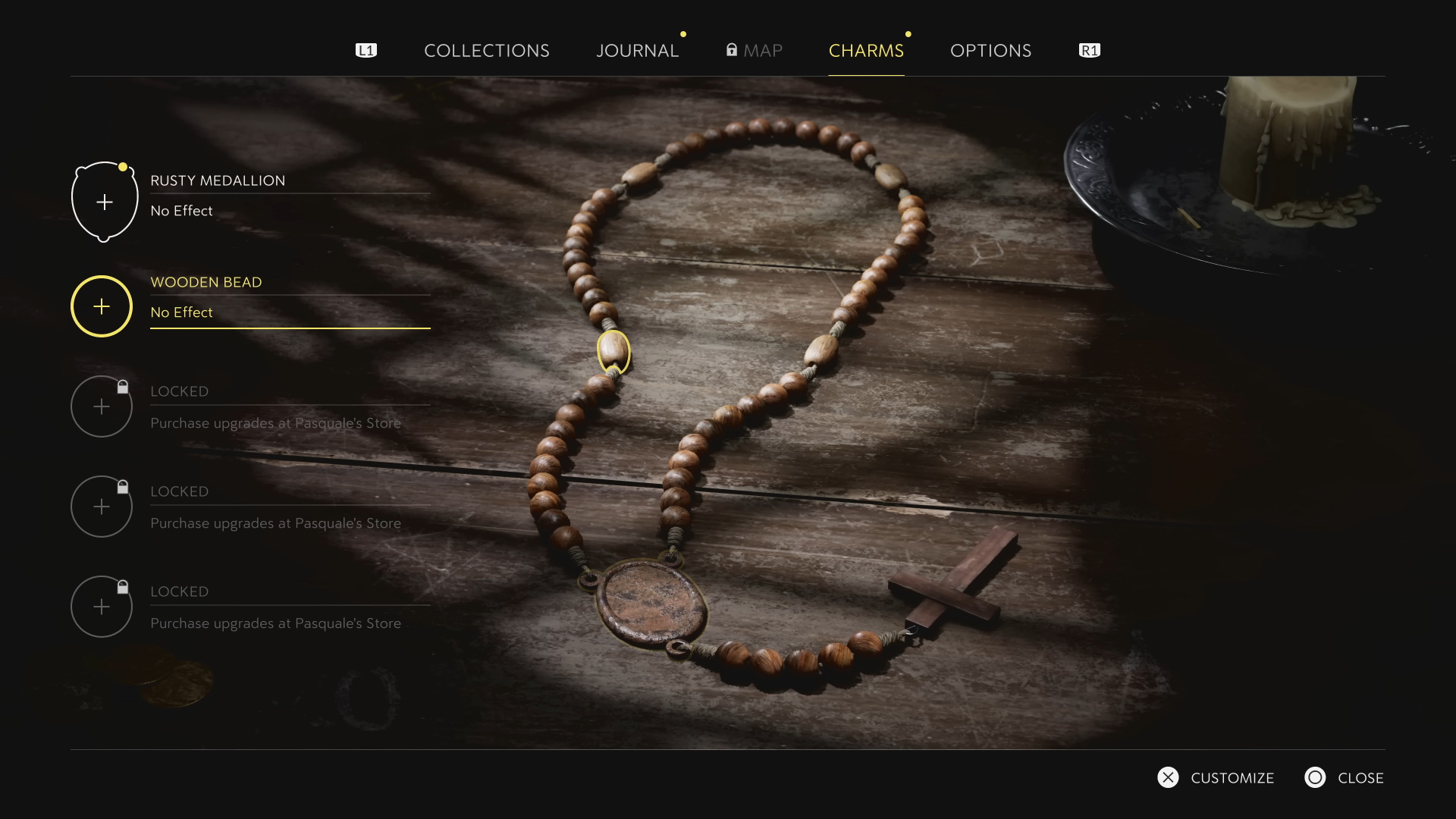
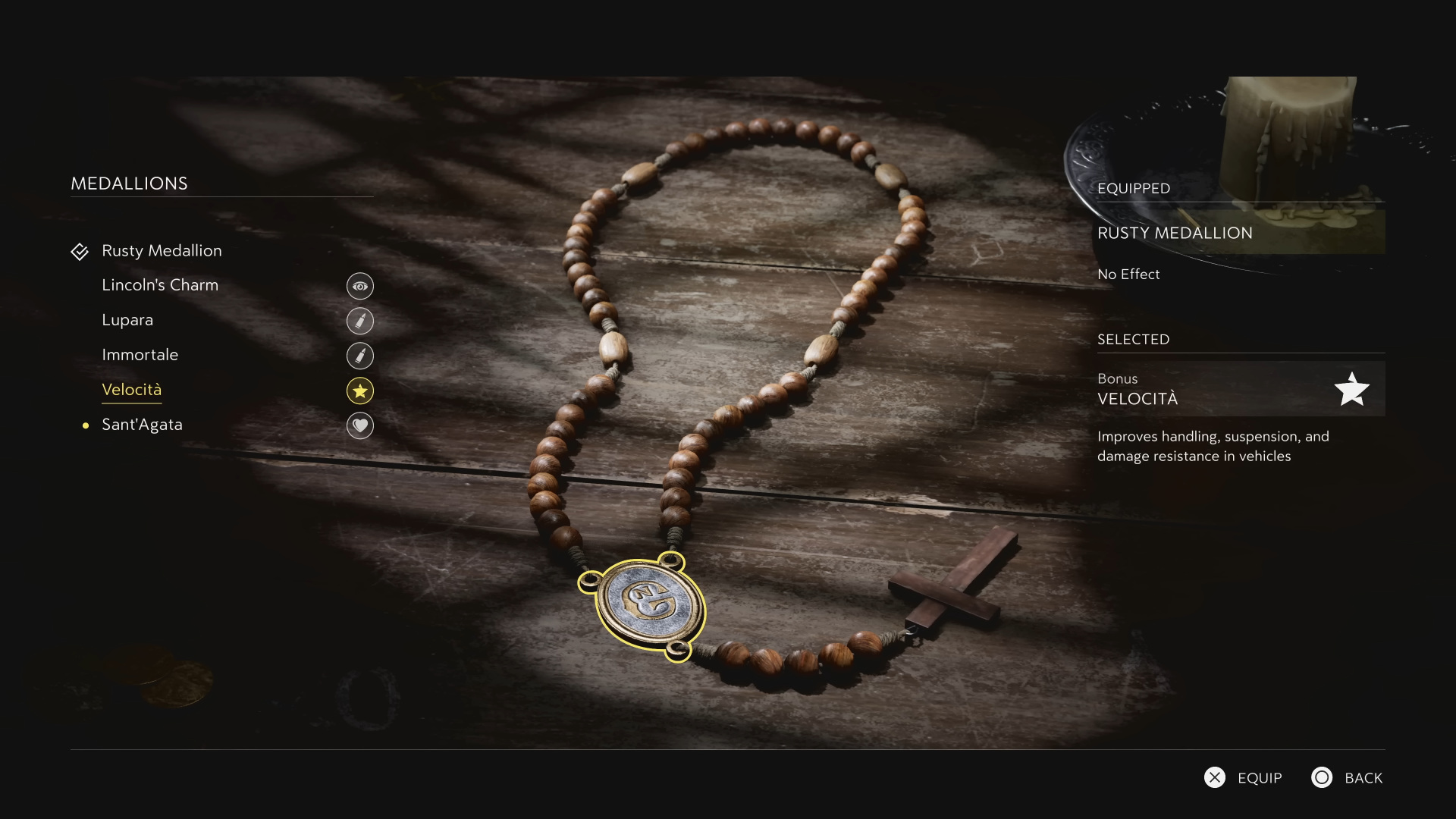
Shops, Garages, Stables, and the Charms Box shared a unified layout: a functional navigation list on the left and a dedicated detail panel on the right.
To accommodate specific feature requirements within this framework, we introduced tailored component variations—such as sub-categories for knives, detailed firearm stats, and horse acceleration metrics.
Designing the HUD was an exercise in strategic information layout—minimizing onscreen clutter to keep the experience as cinematic and immersive as possible.
Working with the HUD meant being able to showcase the inventory, health and eventually messaging and pop-ups that were necessary to notify the player.
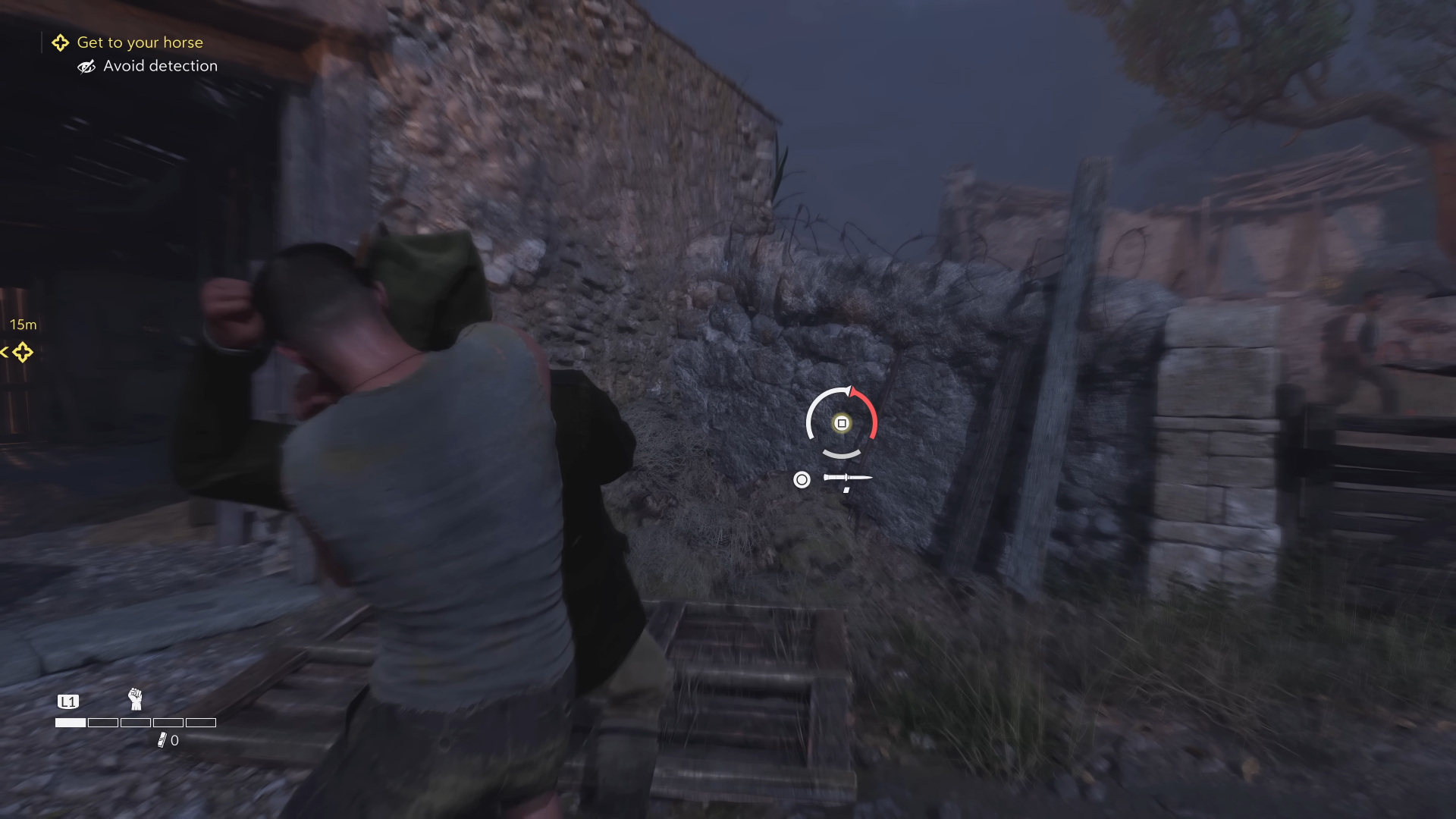
In a struggle situation with its own mingame had to indicate both the action to execute but also the alternative of stabbing someone.
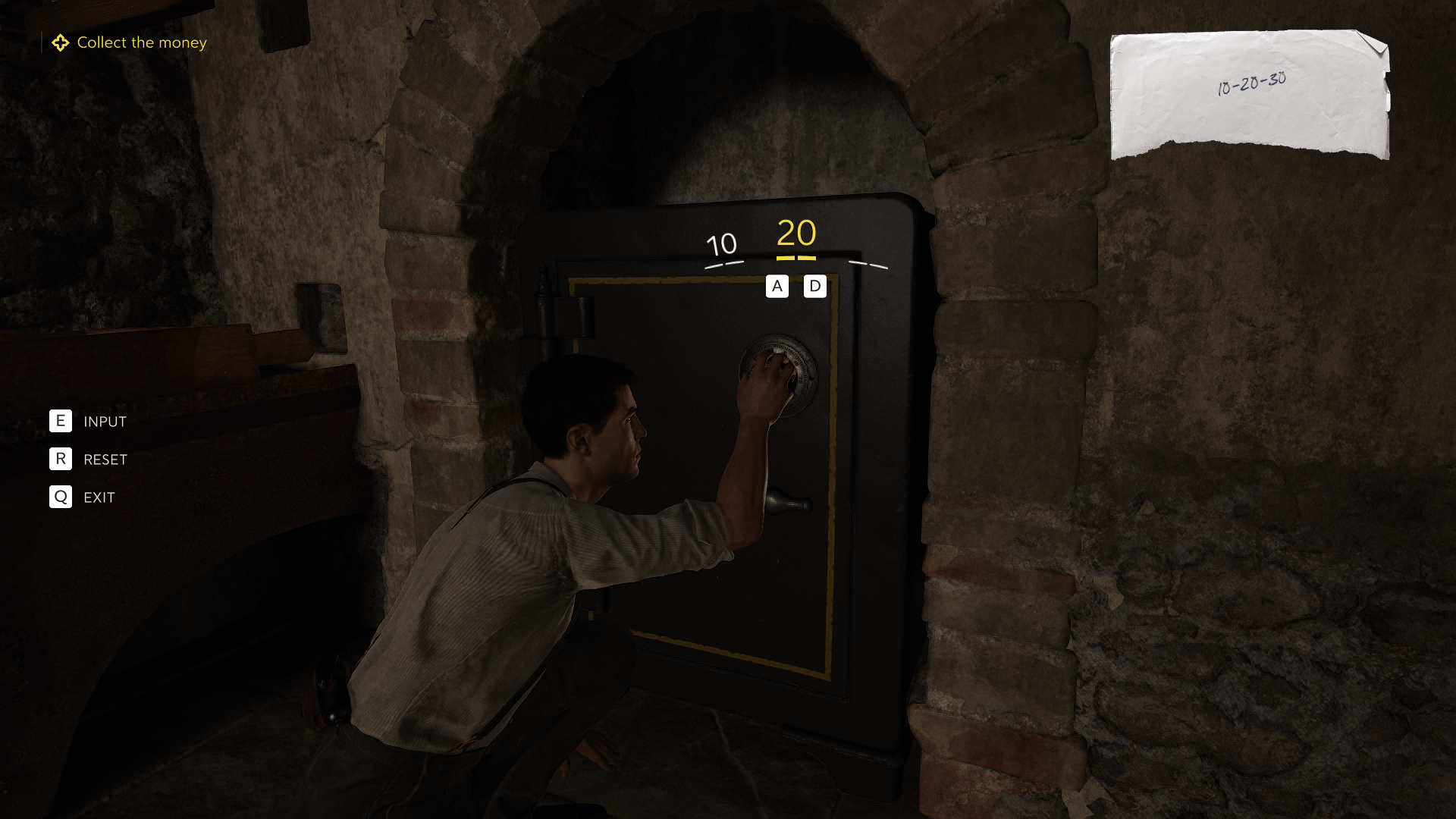
For the safe-cracking we accounted for making it feel like you are moving left and right, while keeping a note highlighted with as a hint, in the case you found it before.
Some elements had to be envisioned from scratch. Reusing design assets has its limits, and certain features required dedicated, custom solutions.
We had some RPG like mechanics, that were meant to give the player some control over stats and bonuses. The idea was to depict them narratively rather than having a skill tree, and that’s when we had to design the Charms. A system that allows the player to equip a rosary and customize the beads individually to get a different kind of protection from the saints. The feature expanded in various charms that created interesting mechanics not possible to achieve by relying only on weapons.
We also designed the Hint system, which allowed the developers to prompt a pop-up that could have been used to send customized notifications regarding unlocked content in the shops/map or some gameplay suggestions in case of repetitive failure.
We later introduced the Freeride update, focusing on Quality of Life improvements while integrating new gameplay features and content.
New Challenges arrived and we had to be able to insert them in the Freeride mode, for example Time Trial and Races (along with the first person driving).
In terms of UI we had to design the proper HUD for each feature, showcasing the crucial information.


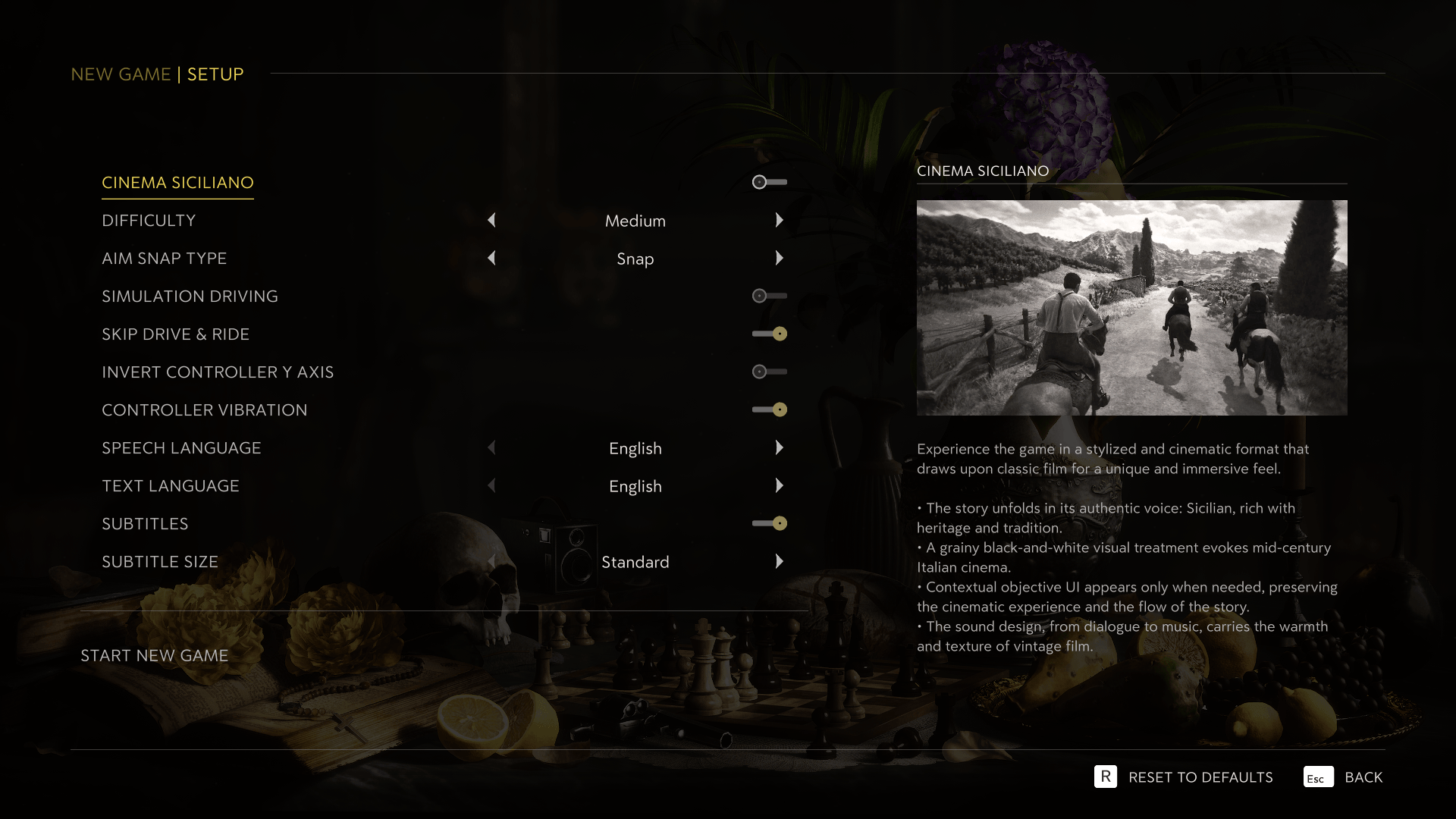
Our UX department was in charge for the Photo Mode and the Cinema Siciliano which was a special mode that replicated the classic black and white filmography. (HERE is an interview about it where I talk about it)

