Designing my first AAA DLC was a lesson in constraint and precision—learning that expanding a game is not about building a new house, but seamlessly adding new rooms to a foundation that’s already set.
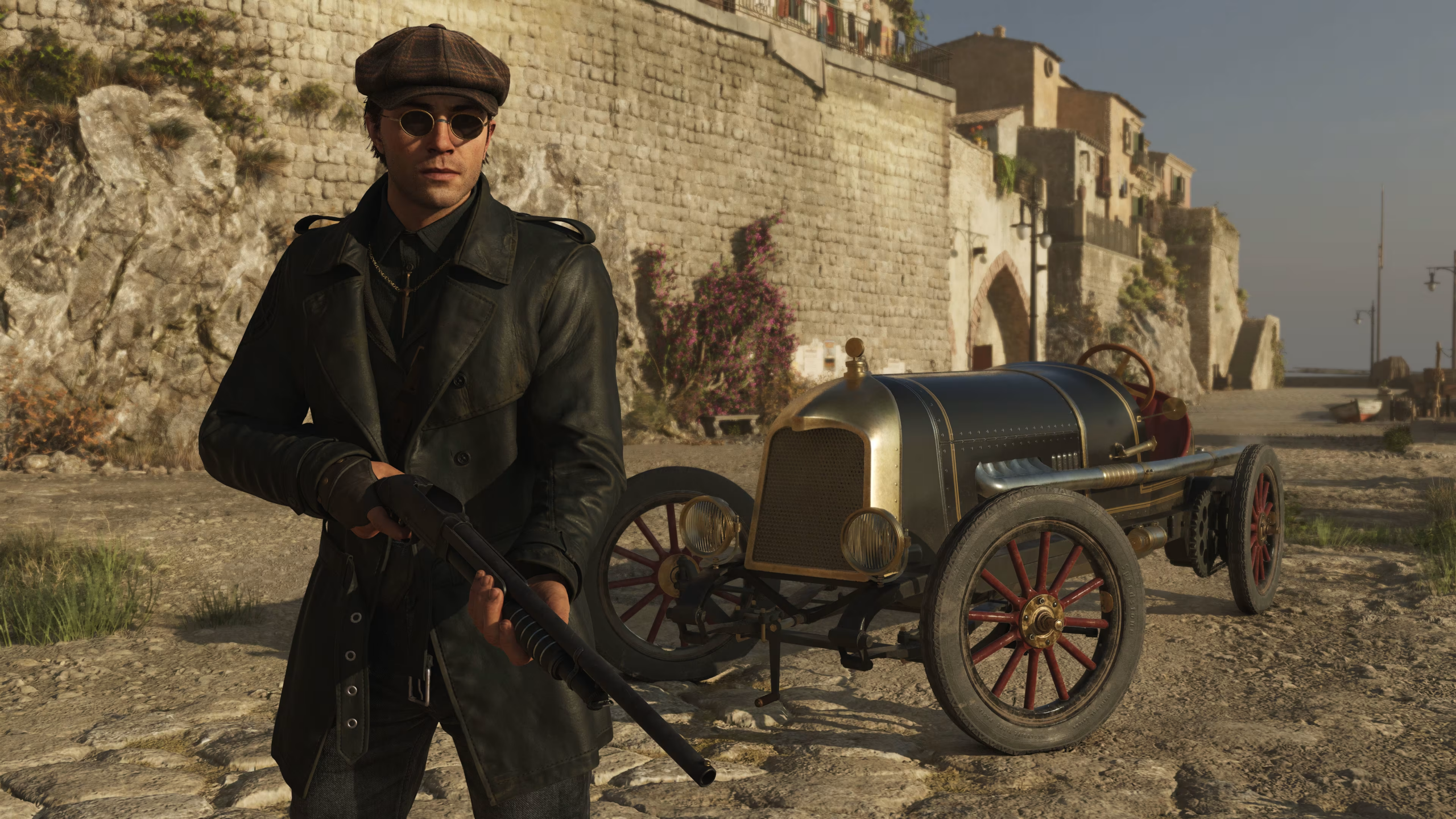
Working on Man of Honor marked my first experience leading UX for a major AAA DLC expansion. Unlike a standard title update or a patch—which typically focuses on bug fixes and quality-of-life tweaks—a full expansion demands a fundamentally different mindset. You are introducing substantial new narrative content, game modes, and progression systems into a live ecosystem that thousands of players have already experienced in vastly different ways.
From a UX leadership perspective, the challenge wasn’t just about designing new screens or features from scratch. It was about systemic adaptability:
- Managing Dynamic Player States: Crafting seamless user journeys for brand-new players, mid-game wanderers, and returning completionists alike.
- Respecting Established Patterns: Ensuring every new addition—from high-stakes Jobs to new equipment mechanics—felt like a natural continuation of the core game rather than an patch-work overlay.
- Designing within Constraints: Leveraging the modular UI foundations laid during base game development to absorb complex new content without bloating the interface.
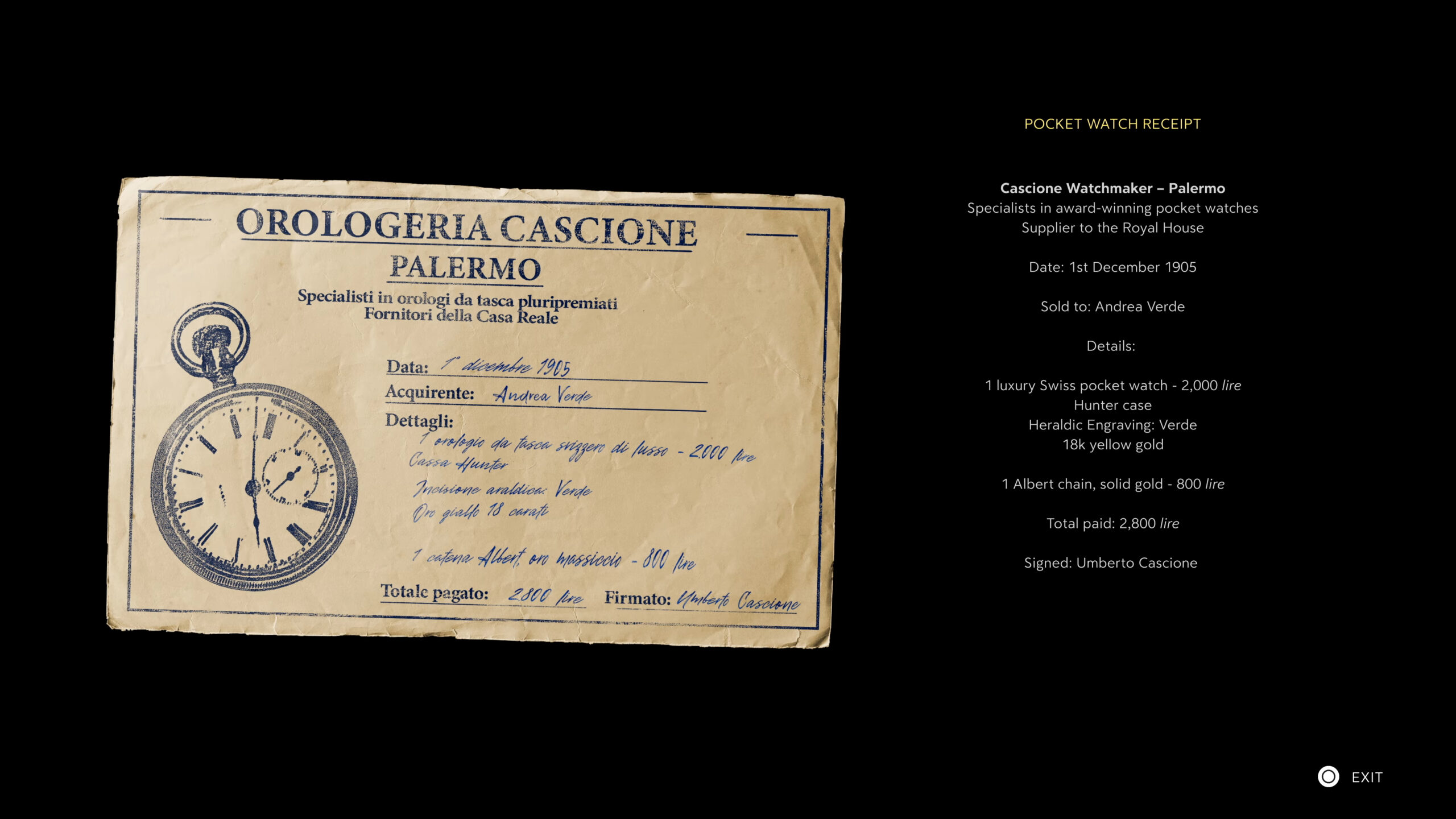
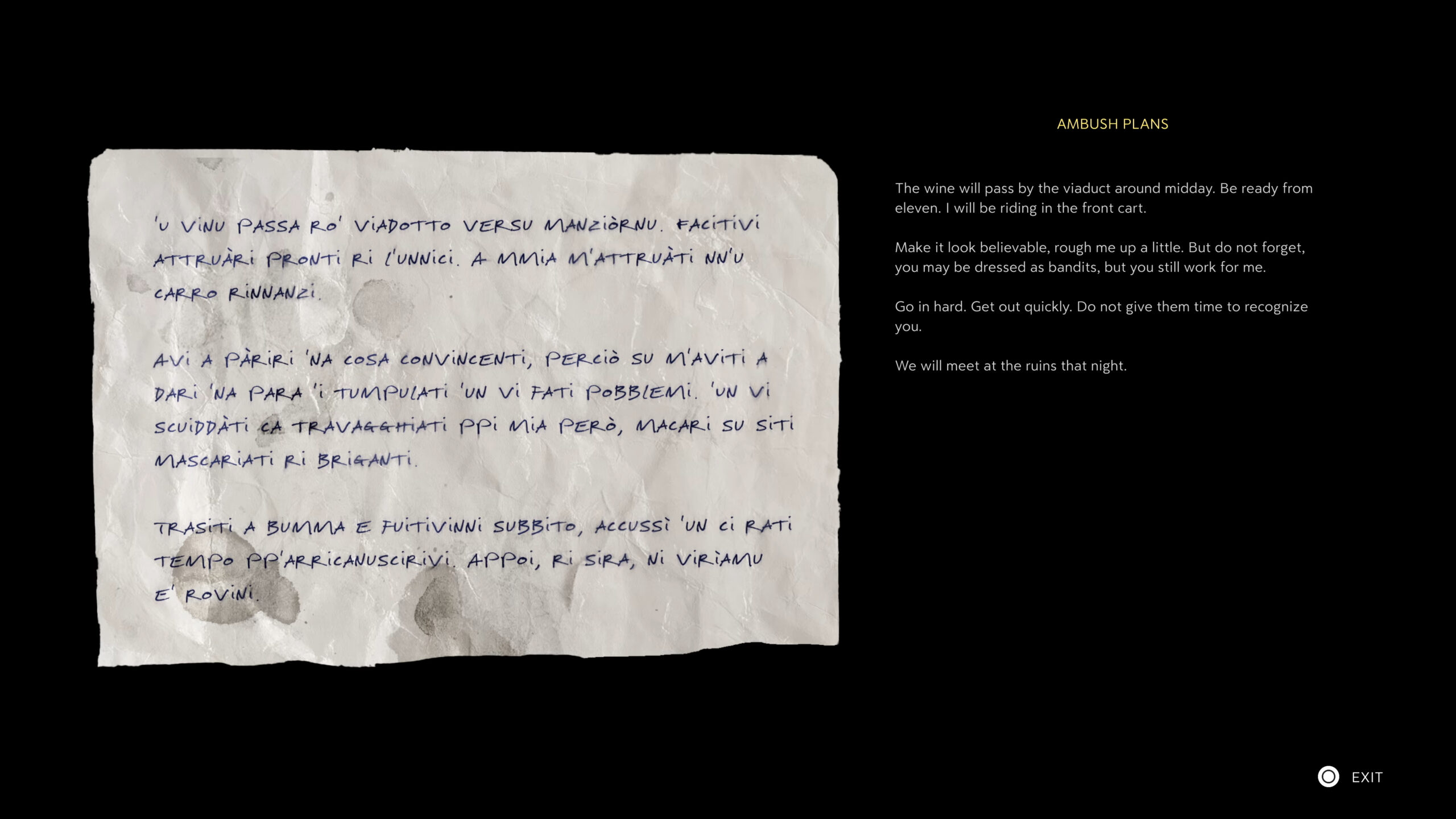
Designing UI systems for a DLC is about foresight: building flexible frameworks in the base game that can naturally absorb new features down the line.
One of the core architectural goals during the base game development was ensuring that the UI framework had room to breathe for future expansions. Because we anticipated post-launch content, the Journal and Menu structures were built with modularity in mind.
For the Man of Honor expansion, this allowed us to seamlessly integrate new core features—such as a dedicated Jobs panel within the Journal and an expanded Challenges hub—without requiring a fundamental redesign of the existing layout or breaking visual consistency.
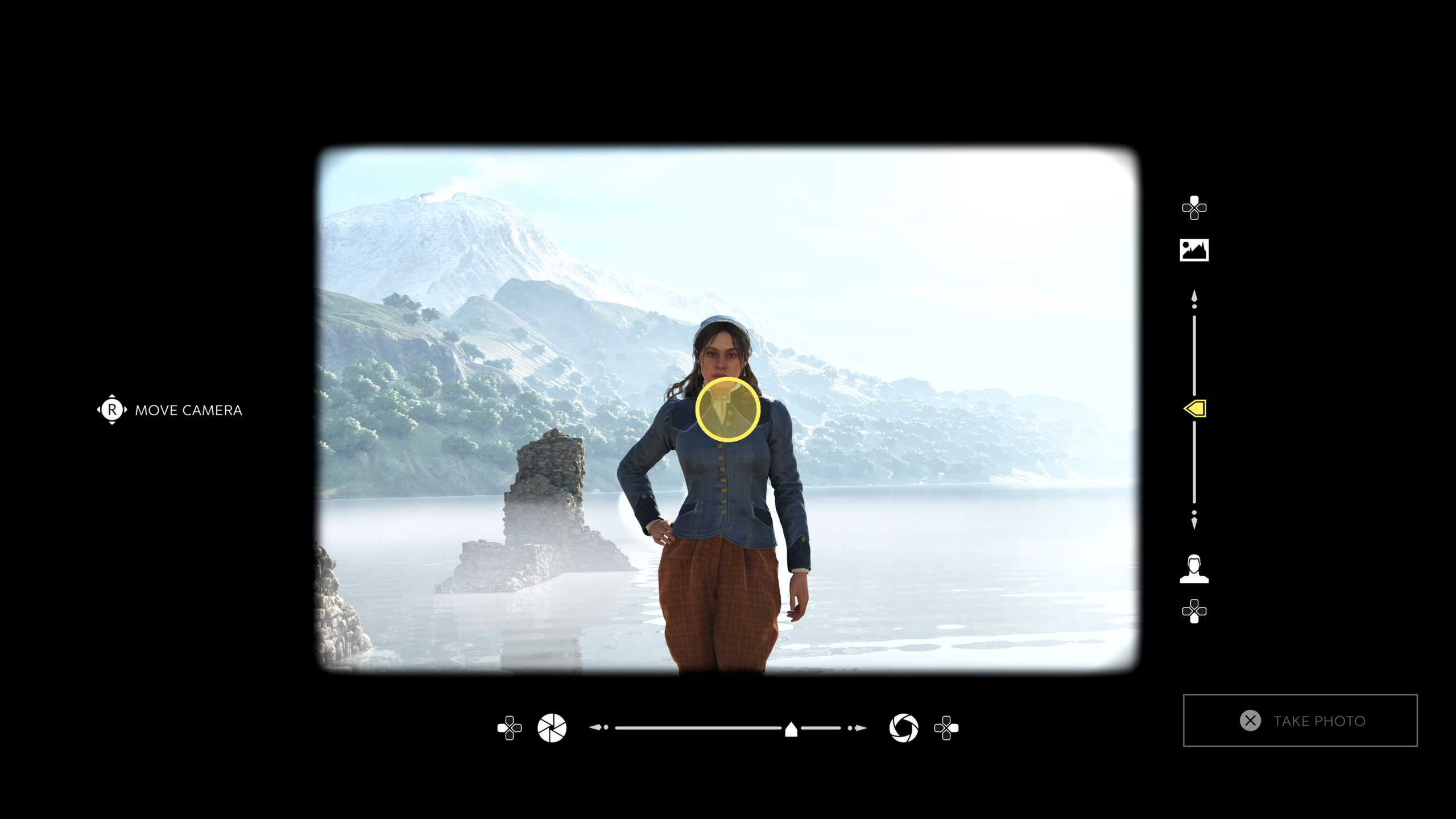
Bridging new narrative chapters into an existing timeline requires managing edge cases gracefully, no matter where the player is in their journey.
Adding two new story chapters set in 1905 Sicily midway through the main campaign presented a complex UX and narrative challenge: how to introduce this content naturally without disrupting player progression.
We redesigned the Chapter Select and Main Menu flows to accommodate three distinct player states:
- New Players: The chapters integrate naturally into the chronological timeline as they play through the story.
- Returning Completionists: Players who had already passed these story events in their timeline could access the new chapters directly from the Main Menu.
- Mid-Game Players: Clear visual indicators and context-aware prompts informed players when the new content became unlocked based on their current story save state.
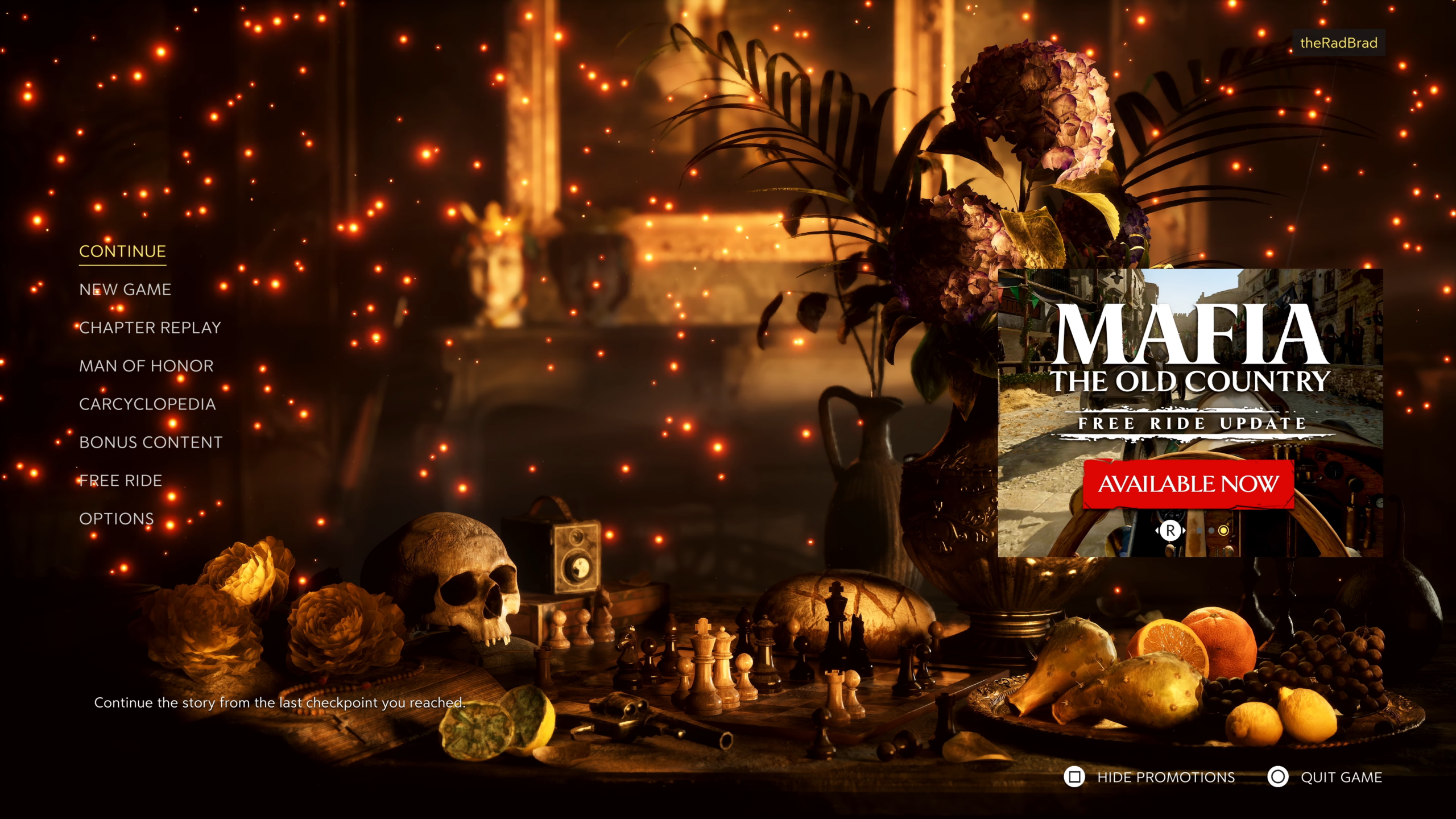
Introducing new mechanics works best when the interface steps back and lets the gear tell its own story.
Expanding the arsenal with new weapons and a fresh set of Charms required a clear, non-intrusive onboarding strategy.
Rather than overwhelming players with pop-ups, we utilized our lightweight Simple Tutorials to explain new weapon mechanics on first pickup. For the newly introduced Charms, we updated the custom inspect and detail views in the loadout menus—ensuring players could easily preview individual bead effects and understand how new holy protections interacted with their playstyle.
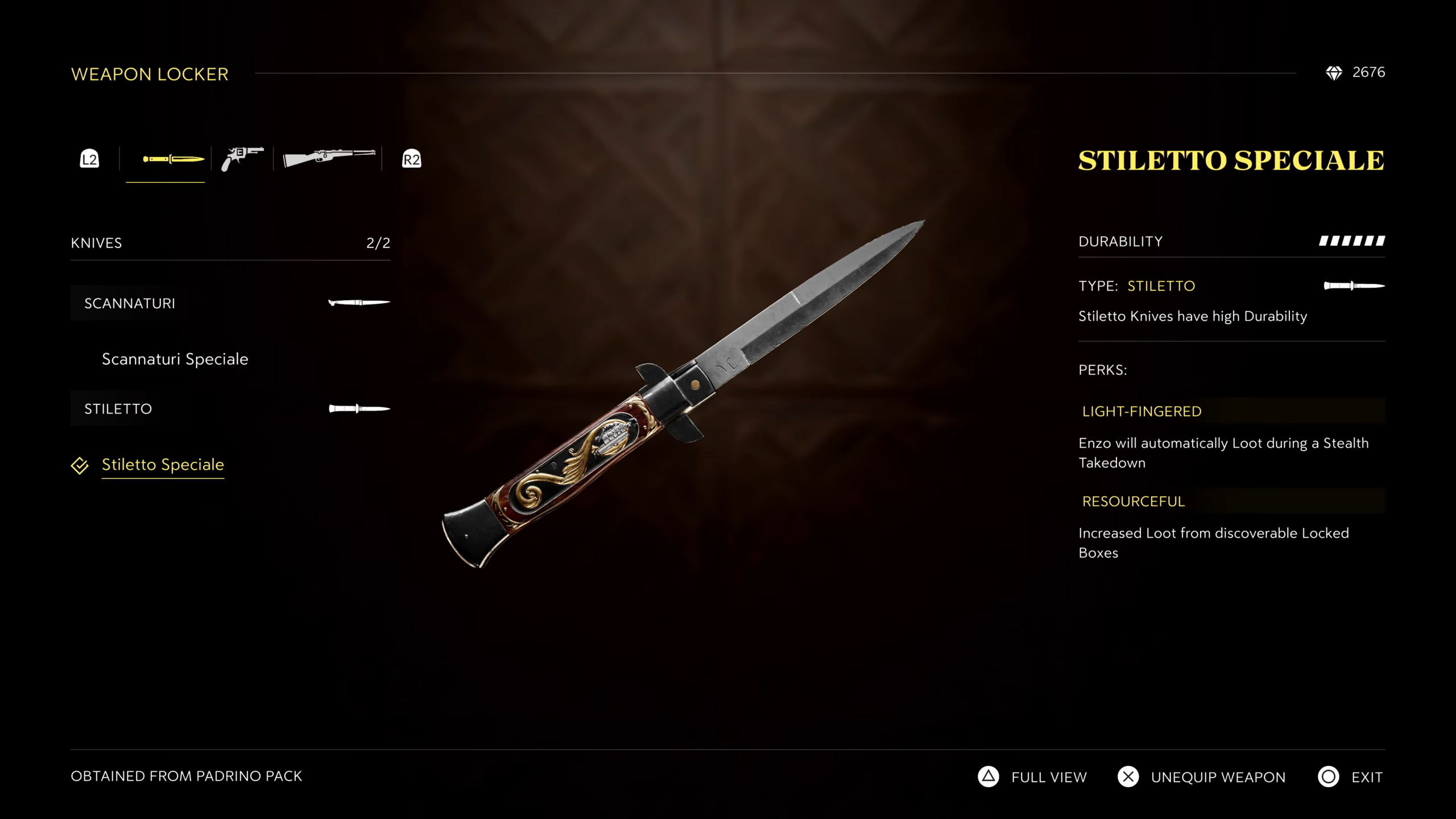
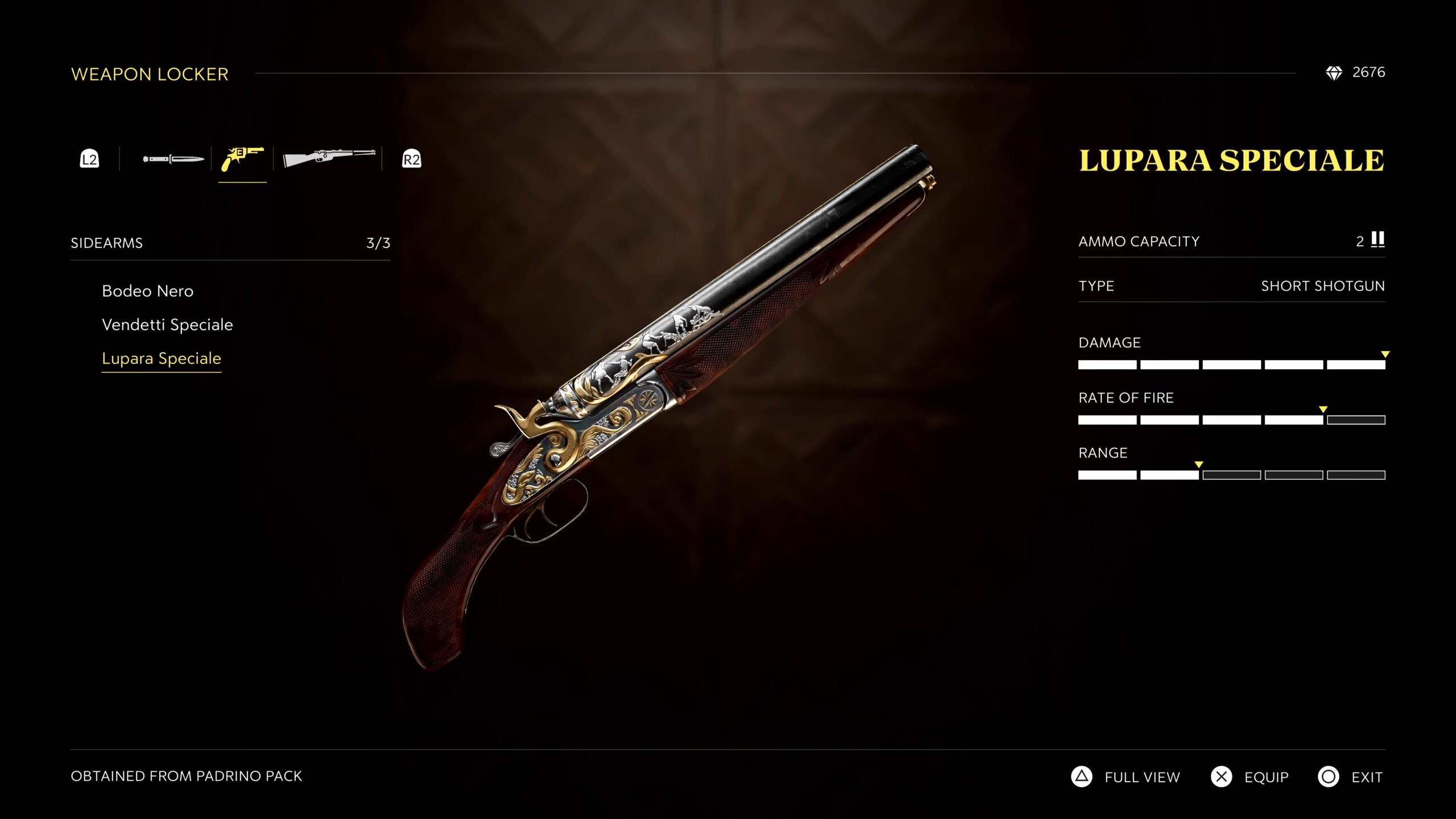
Unifying new open-world content under established UI patterns keeps the end-game experience intuitive and rewarding.”
The centerpiece of the Man of Honor DLC was the expansion of Free Ride mode, introducing Salieri’s Warehouse in Porto Almaro as the main hub for Jobs and high-difficulty Challenges.
To maintain feature parity and visual clarity, we leveraged the Medal & Star rating system originally created for the main game. On the map, Jobs and Challenges were represented with distinct, color-coded contextual icons that clearly showed completion status, medal thresholds, and available rewards at a glance—creating a seamless bridge between base-game exploration and DLC end-game content.
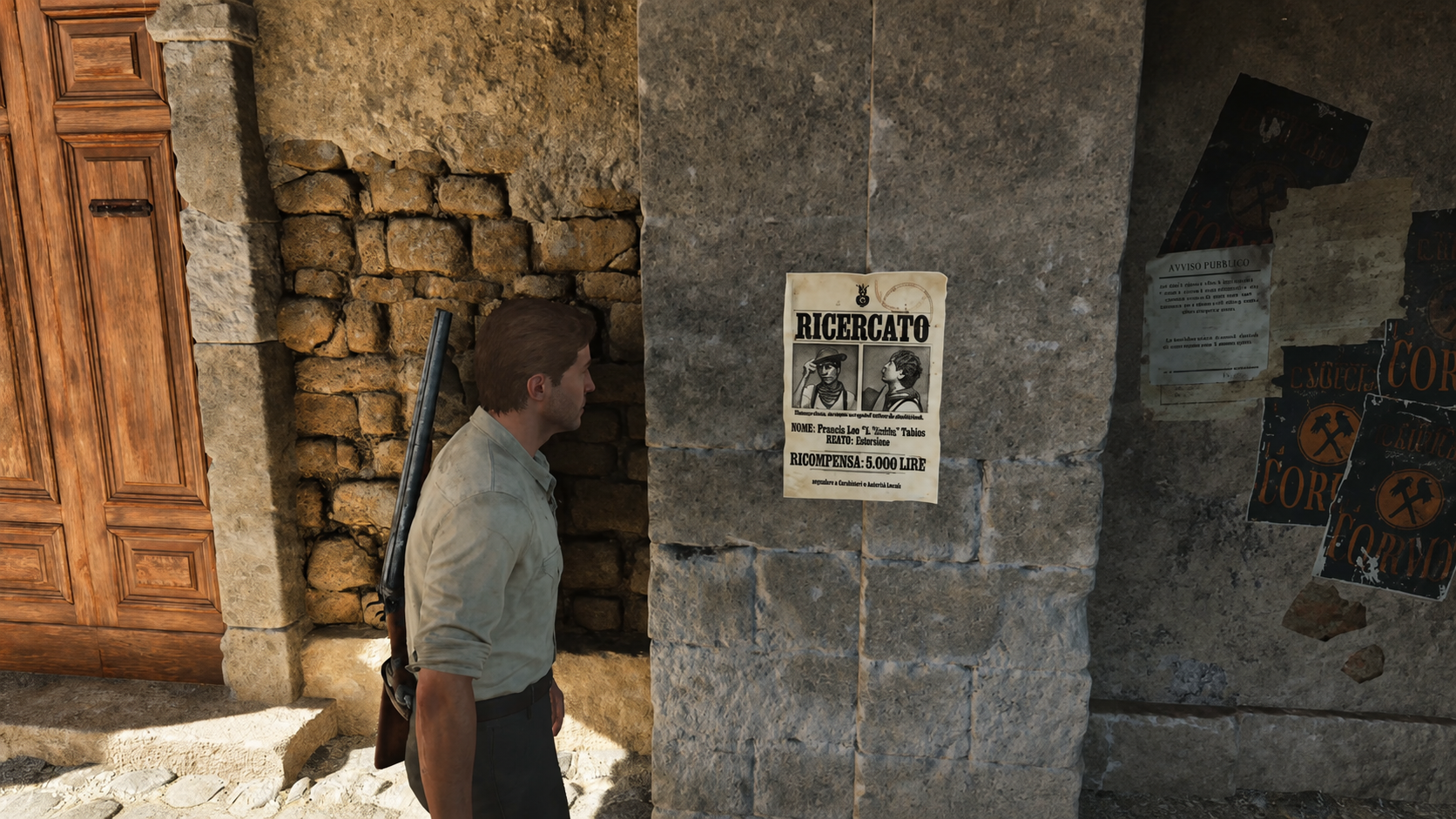
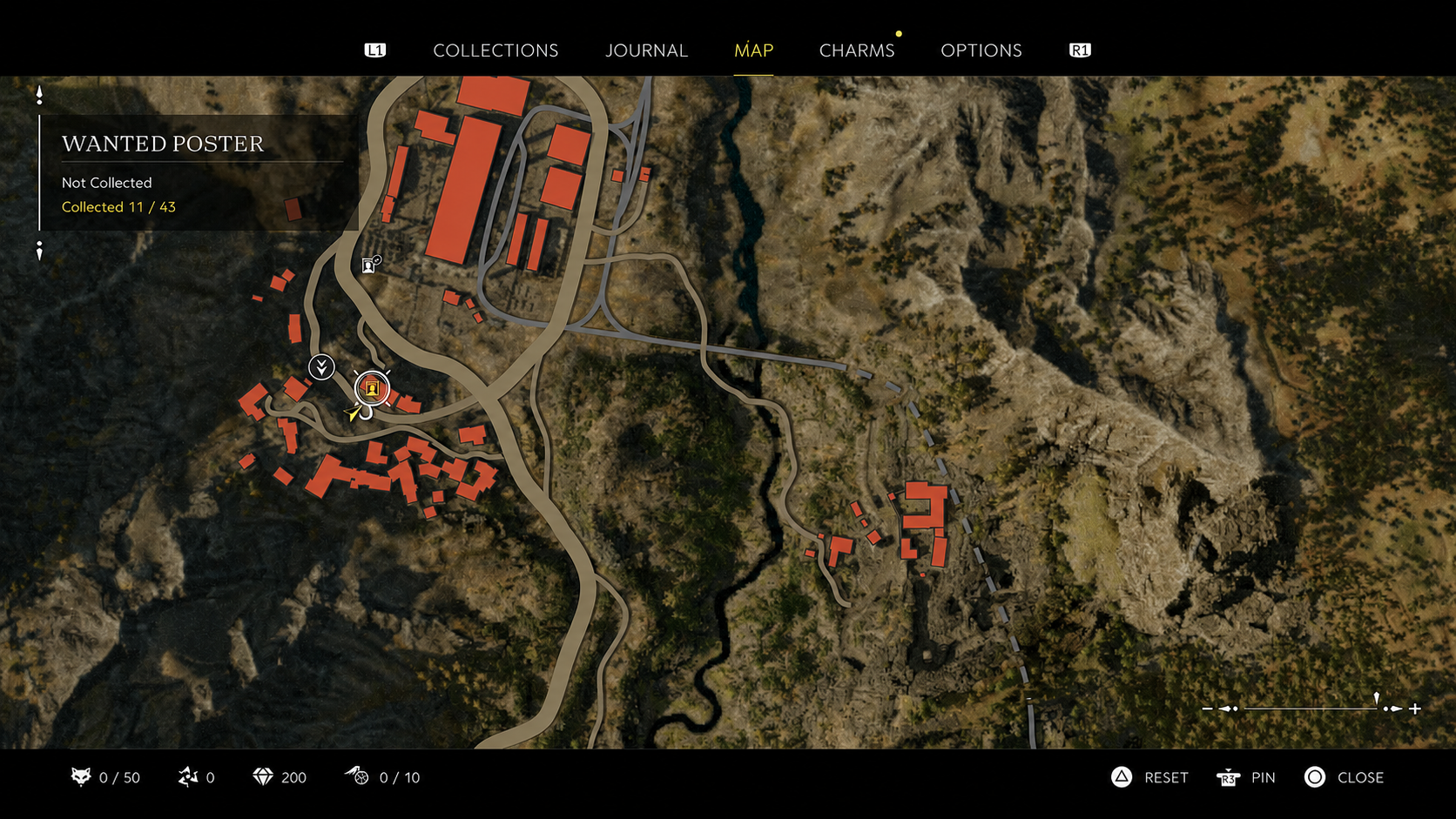
Here is a fun easter egg of my own Wanted Poster and how it appears ingame and in the map.